Welcome
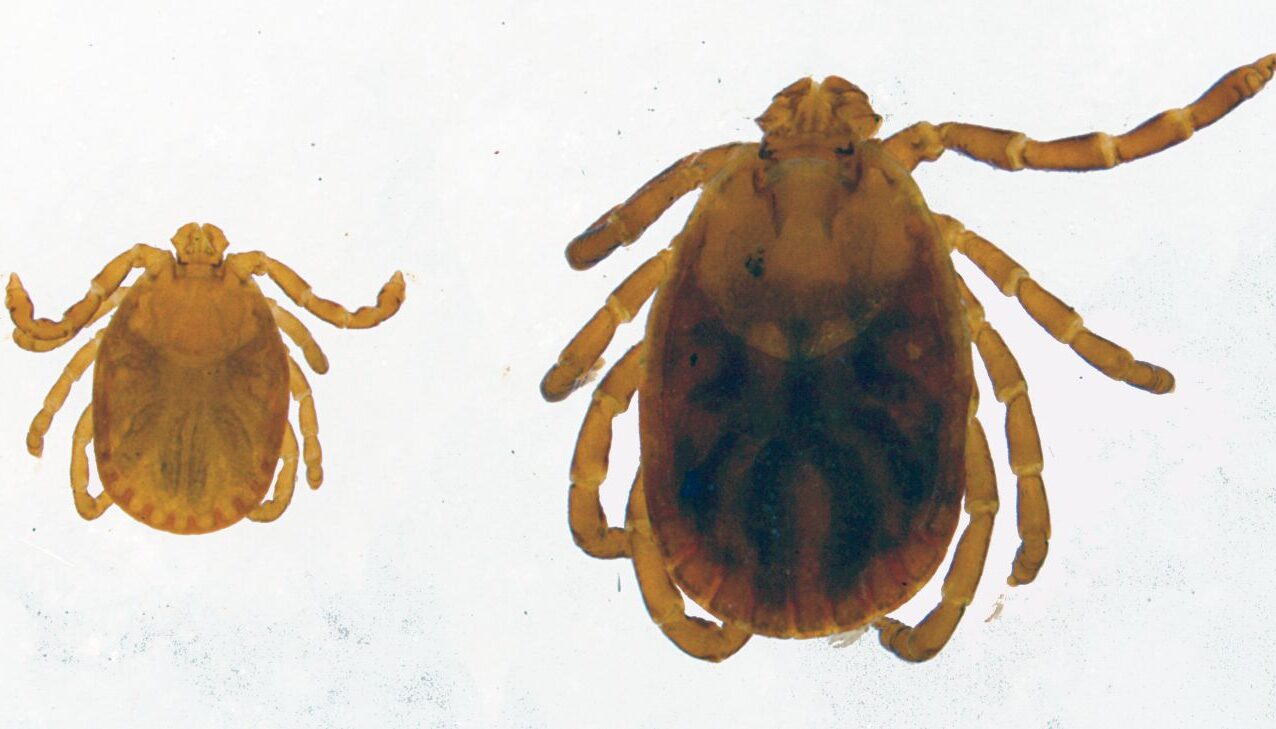
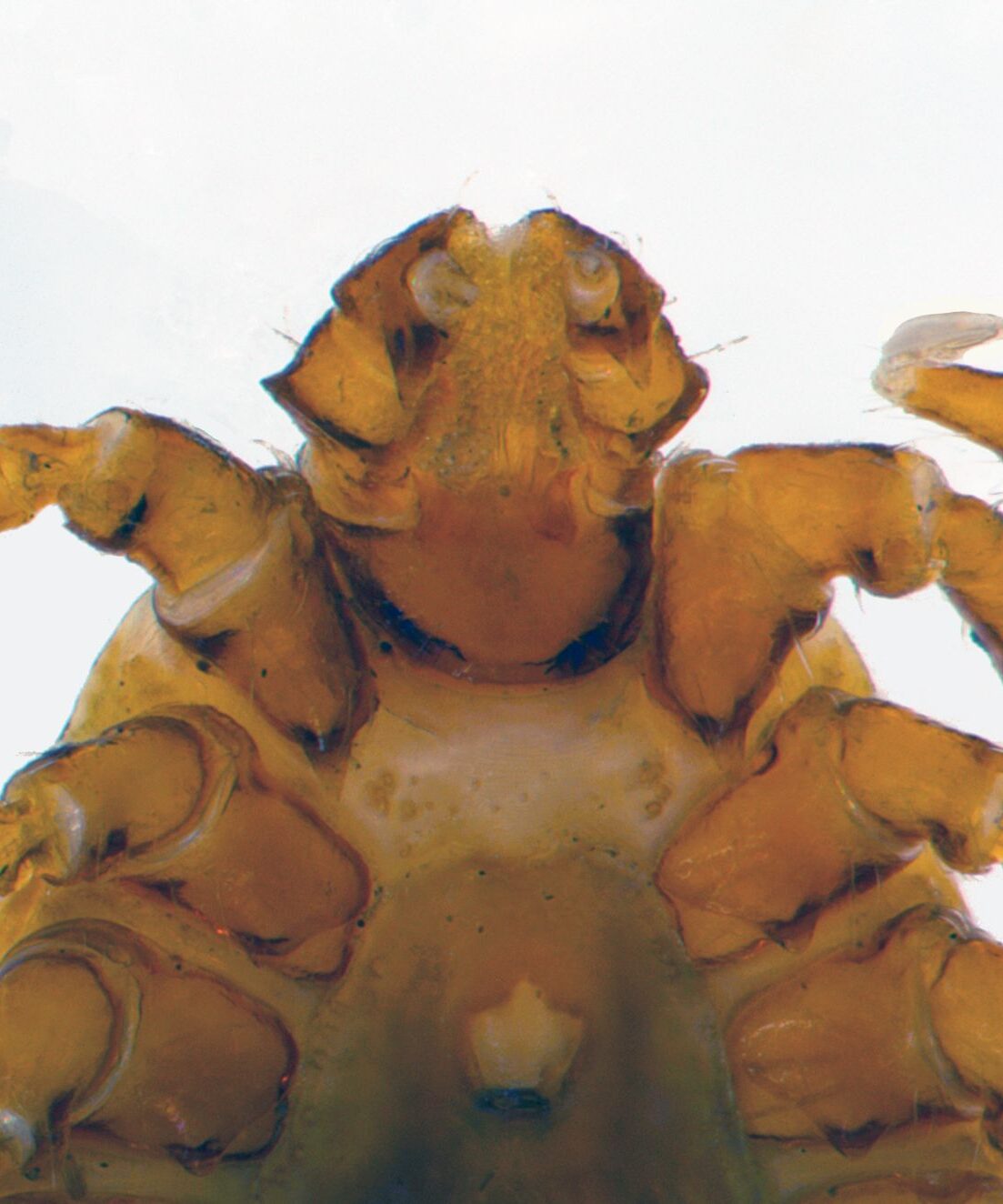
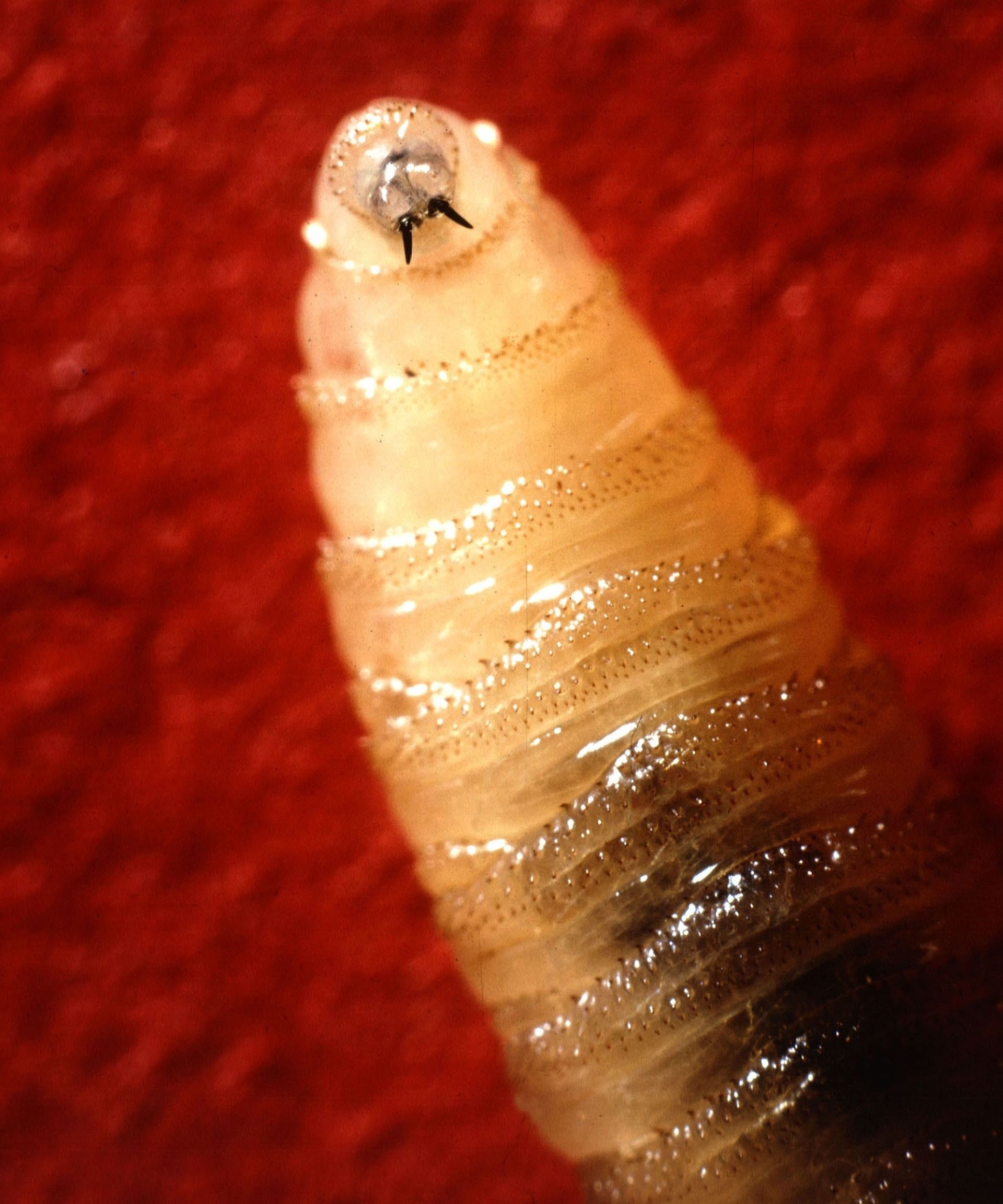
Vector-borne diseases affect people, livestock, wildlife, and companion animals across the United States. This website provides clear, science-based information about vectors (such as ticks, mosquitoes, flies, and fleas) and the pathogens they transmit, with a focus on protecting human and animal health. While there are MANY vectors and vector-borne diseases in the U.S., this website will focus on providing data-supported information about those vectors and vector-borne diseases emerging (or re-emerging) as problems.

Our Goals
- Educate the public about common and emerging vectors and vector-borne diseases.
- Support stakeholders with practical guidance to reduce vector exposure and disease risk.
- Provide public health professionals and veterinarians with accessible, up-to-date summaries that complement clinical and diagnostic resources.
- Assist Extension agents with outreach-ready information they can share with communities.
- Inform the public about trends, prevention strategies, and cross-sector collaboration opportunities.
What You’ll Find Here
- Plain-language explanations of vectors and vector-borne diseases
- Relevant updates and stakeholder insights
- Evaluated prevention and management strategies
- Meeting summaries and shared notes to promote transparency and collaboration
- As possible, a regularly updated blog highlighting current issues, research, and outreach efforts
Learn more about the pest and disease complexes we are working on.